
You have no items in your shopping cart.

MEET the Founders & Team
Mike and Joylynn Jelliff, the founders of GeekStands.com as well as musicians. They are owners and users of the products GeekStands.com sells.
Learn about us!

29
Jan
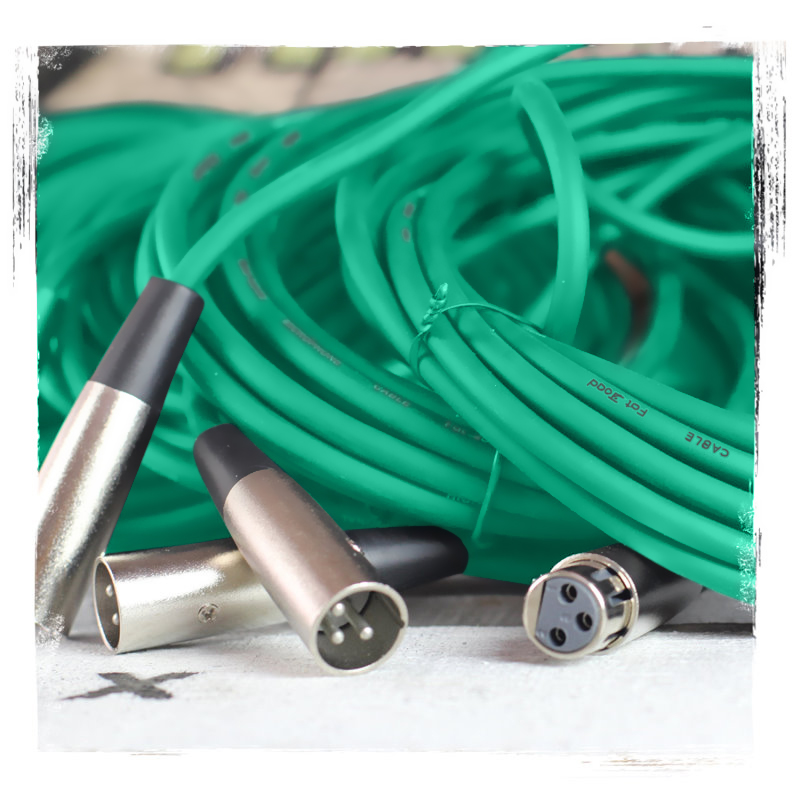
PA Stage Speaker cables function as the crucial connection between your amplifiers and speakers, immediately affecting the fine and clarity of the sound. Selecting the incorrect cable can cause signal loss, distortion, or even damage to your device.
Whether you’re putting in place for a live performance, a corporate occasion, or a small venue, knowing the nuances of speaker cables will help make sure that your sound device performs at its best.
This blog post is a guide designed to walk you through the unique styles of speaker cables, key elements to remember when selecting the proper one, and crucial tips for correct set-up and maintenance. By the end, you’ll be ready with the knowledge to make a knowledgeable selection, ensuring optimum overall performance from your PA machine.
Understand Types of Speaker Cables
Here are the four types of PA degree speaker cables that you need to understand earlier than making your choice.
Unbalanced Speaker Cables
These are typically used for shorter cable runs. Unbalanced cables encompass two conductors: one for the signal and one for the ground.
While they are much less high priced and less complicated to discover, they're more vulnerable to selecting up noise and interference that could degrade sound best over longer distances.
Therefore, unbalanced speaker cables are first-rate and ideal for smaller setups or environments with minimal electric interference.
Balanced Speaker
Balanced cables are designed to lessen noise and electromagnetic interference, making them
perfect for longer cable runs and more complicated environments.
They have signal conductors and a ground, which helps to cancel out noise that might be picked up along the cable’s period. This format makes balanced cables a favored desire in expert audio environments where preserving sign integrity over distance is crucial.
Speaker vs. Instrument Cables
It’s critical to differentiate between speaker cables and device cables.
- Speaker cables are specially designed to carry immoderate-strength indicators from an amplifier to a speaker.
- Instrument cables are intended for low-power indicators, from a guitar or microphone to a mixing board. Using a device instead of a speaker cable can cause sign loss, noise, or even damage your equipment.
Bi-Wiring and Bi-Amping Cables
Bi-wiring and bi-amping cables can decorate sound first-class for audiophiles and excessive-cease PA systems.
- Bi-wiring involves using separate cables for the excessive and coffee frequencies, decreasing interference between the alerts.
- Bi-amping takes this a step further by using separate amplifiers for the specific frequency levels, allowing for even greater management and sound.
Key Factors to Consider While Choosing the Right PA Speaker Cable
Here are ten key elements to bear in mind while deciding on the appropriate PA-level speaker cables for your setup
Cable Gauge (Thickness)
The gauge refers to the thickness of the cable, which immediately affects its ability to hold electricity and greatly affects the overall signal. The American Wire Gauge (AWG) gadget is commonly used to measure this thickness, with decreasing numbers indicating thicker cables.
Thicker cables (lower AWG numbers, including 12 or 14) can convey more strength with less resistance, making them ideal for longer runs where signal degradation can be a problem.
Cable Length
Longer cables introduce extra resistance that could result in signal loss and a reduction in sound excellence quality. For PA systems, it's crucial to keep cable lengths as short as feasible while still considering flexibility in your setup.
If lengthy runs are unavoidable, using thicker cables (decrease gauge) can help mitigate the outcomes of resistance. Additionally, using balanced cables for longer runs can help maintain signal integrity in environments with substantial electric interference.
Conductor Material
Copper is the most commonly used conductor fabric due to its tremendous conductivity and relative affordability. Oxygen-free copper (OFC) is a refined model of trendy copper that has been processed to remove most of the oxygen and impurities, resulting in higher conductivity and lower resistance.
This makes OFC cables a popular preference for amazing audio systems. Silver is any other choice, supplying even better conductivity than copper but at a notably better price. While silver cables can provide advanced overall performance, they're normally reserved for high-stop, audiophile-grade systems.
Insulation Type
Common insulation substances encompass PVC, rubber, and Teflon, each presenting one-of-a-kind stages of protection and flexibility. For indoor use in controlled environments,
PVC insulation is frequently sufficient. However, in out-of-doors or excessive-stress environments, rubber or Teflon insulation can be most advantageous due to their advanced sturdiness and resistance to warmth, moisture, and chemical substances.
Choosing the right insulation type is critical for ensuring the durability and reliability of your speaker cables, mainly in disturbing or unpredictable situations.
Shielding
Shielded cables are designed to protect the signal from outside sources of interference, such as energy lines, radio frequencies, and other electronic devices.
The most commonplace varieties of protection are braided and foil. Braided protection offers durability and flexibility, making it appropriate for cables on the way to be often moved or coiled.

Foil shielding, however, offers advanced safety in opposition to high-frequency interference however is less flexible. In environments with high ranges of EMI, which includes live performance venues or recording studios, using shielded cables can appreciably improve sound satisfaction by lowering unwanted noise.
Connector Types
The connectors in your speaker cables are the vital points of connection between your system. Common types include 1/4" TS (Tip-Sleeve), Speak on, and XLR connectors. Each type has its blessings and is acceptable for unique programs.
- 1/4" TS connectors: are broadly utilized in various audio setups, though they are extra common for device connections.

- Speak-on connectors: are designed for speaker connections, presenting a stable and sturdy connection immune to unintended disconnection.
- XLR connectors: are typically used for balanced audio indicators, offering great noise rejection and secure connections. When deciding on cables, ensure that the connectors are like-minded with your device and offer a comfortable, reliable, and healthy option.
Build Quality
Build quality is a key aspect of the toughness and performance of your speaker cables. High-best cables are constructed with long-lasting materials, strengthened connectors, and robust strain reliefs to save you harm from bending and pulling.
The cable's outer jacket needs to be flexible enough to address frequent motion without cracking or splitting; however, it is also robust enough to shield the internal conductors from damage. Investing in top-construction cables can prevent frequent replacements and exceptional capacity sound problems caused by damaged cables.
Here is a customer review from our client Alex Jackson.
Best Cables EVER
I love the cables and I love the way this business works. The owner puts his name on his reciepts, great personalized touch. These cables are awesome. I used them right away at rehursals.
Power Handling Capacity
Cables not rated to address the system’s energy output may also overheat, doubtlessly inflicting harm to the cable or related system.
It’s vital to test the cable’s power score (measured in watts) and ensure it's miles suitable for your device’s requirements. Using cables with a higher power rating than essential can provide a safety margin, specifically in setups in which the device may be driven to its limits every so often.
Flexibility and Handling
Flexible cables are less difficult to route, coil, and shop, making them extra realistic for mobile setups or environments where the configuration may additionally exchange regularly. However, flexibility must now not come at the cost of sturdiness.
Look for cables that strike a balance between flexibility and construction fine, ensuring they are able to resist the pains of everyday use without turning into broken or difficult to handle.
Budget vs. Performance
While it may be tempting to opt for the least highly-priced alternative, low-quality cables can result in poor sound quality, signal loss, and frequent replacements.
On the other hand, excessive-give-up cables may also offer marginal overall performance improvements at a great value. The key is discovering a middle ground where you get dependable overall performance without breaking the bank. For most PA systems, mid-range cables from reliable brands will offer excellent high quality and affordability.
Here is a comparison table for the different types of PA speaker cables on the basis of certain different features
|
Feature |
Twisted Pair Cables | Shielded Cables | Parallel Cables | Multi-Core Cables |
| Durability | Moderate | High (more robust) | Moderate | High (depends on construction) |
| Signal Quality | Good noise rejection | Excellent noise reduction | Moderate signal integrity | Varies, often good for complex setups |
| Resistance to Wear | Moderate | High | Moderate | High |
| Heat Resistance | Moderate | High | Low to moderate | Varies |
| Connector Compatibility | Standard (often speakon) | Standard (varied types) | Standard (often bare wire) | Standard (often speakon) |
| Application Versatility | Moderate | High | Low to moderate | High |
| Cost | Generally lower | Higher due to materials | Usually lower | Varies |
Installation and Maintenance Tips
Here are ten critical tips for properly setting up and protecting your PA stage speaker cables.
Use Proper Installation Techniques
Proper setup techniques are important for preserving your speaker cables' integrity and overall performance. When laying out your cables, avoid sharp bends, kinks, or tight loops that can damage the internal conductors. It’s also vital to ensure that cables are laid out flat, without twists or tangles, to save you sign degradation and bodily wear.
Use cable ties or Velcro straps to secure cables neatly; however, avoid over tightening, as this may compress and harm the cables over time. Properly routing cables far from power traces and different sources of electromagnetic interference (EMI) will help maintain sound.
Label Your Cables
Labeling your speaker cables can prevent time and frustration all through setup and troubleshooting. Use durable labels to mark every end of the cable with facts together with the channel-wide variety, speaker vicinity, or period.
This exercise ensures that every cable is effectively connected to the corresponding equipment, particularly in complex setups with multiple audio systems and amplifiers. It also makes it simpler to identify and update any cables that may want maintenance or replacement.
Avoid Overloading Cable Runs
Overloading a cable run with too much power can lead to overheating, sign degradation, and potential harm to your equipment. Ensure that every cable matches the electricity necessities of the linked speakers and amplifiers.
If you need to run multiple audio systems from an unmarried amplifier, use cables with the ideal gauge and energy-handling capability to save you from overloading. Don't forget to use thicker cables to reduce resistance and hold sound exceptionally for long cable runs.
Secure Connections
Loose or insecure connections can cause sign loss, noise, or even gadget damage. Regularly test all cable connections to ensure they may be securely plugged in and properly seated on their connectors.
For critical connections, recollect the usage of locking connectors, along with Speak on or XLR, which offer an extra steady suit and are less at risk of accidental disconnection. Tightening any unfastened connectors and ensuring all connections are unfastened from dirt and debris will help preserve dependable performance.
Store Cables Properly
Proper storage is critical for prolonging the life of your speaker cables. When not in use, cautiously coil your cables in a manner that avoids kinks or sharp bends that could damage the conductors. Store coiled cables in a groovy, dry location, far from direct daylight, moisture, and excessive temperatures.
Hanging cables on hooks or using cable reels can help keep them prepared and save you from tangling. Regularly look into stored cables for signs of wear and tear or damage before using them again.
Regular Maintenance Checks
Regular protection checks ensure your speaker cables remain in the correct situation. Periodically look at the whole length of each cable for signs and symptoms of wear, including frayed insulation, exposed wires, or damaged connectors.
If any issues are located, update or repair the cable as desired. Cleaning connectors with a touch cleaner can help hold a solid connection and reduce the threat of signal loss or noise. Additionally, test your cables frequently by connecting them to your system and listening for any signs of signal degradation or interference.
Avoid Tripping Hazards
Tripping over speaker cables isn't always the simplest risk for humans; however, it can also harm your equipment. During setup, direction cables along partitions, beneath carpets, or through cable management channels are used to hold them out of excessive-site visitor regions.
Use cable covers or mats to stabilize cables that should move walkways, decreasing the chance of tripping. If you need to temporarily run cables across a degree or venue, use brightly colored tape to make them more visible and less likely to be tripped over.
Use Quality Connectors
The exceptionality of your connectors is simply as vital as the cables themselves. High-pleasant connectors offer a reliable and steady connection, reducing the risk of sign loss or noise. When selecting connectors, choose those crafted from long-lasting materials, together with metal, and make sure they may be well suited to your gadget. If you word any unfastened or broken connectors, update them promptly to prevent interruptions to your audio sign.
Consider Environmental Factors
Environmental factors, consisting of temperature, humidity, and exposure to daylight, could affect the performance and lifespan of your speaker cables. In out-of-door environments, use cables with insulation that is immune to UV rays, moisture, and temperature extremes.
For indoor environments, keep away from strolling cables close to heat or moisture assets, including heaters, air con gadgets, or damp regions. By thinking about those factors at some stage in the setup, you can guard your cables from being untimely put on and maintain sound fine over time.
Replace Old or Damaged Cables
Old or damaged cables can negatively affect your sound system’s performance, leading to sign loss, noise, or gadget failure. Suppose you are aware of any symptoms of wear and tear, together with frayed insulation, cracked connectors, or intermittent sign problems. In that case, it’s time to replace the cable.
Regularly updating your cables ensures that your PA gadget operates at its first-rate, turning in clean and dependable sound.
Choosing the proper PA stage speaker cables is crucial to ensuring the overall performance of your audio system is top-rated. From information about the exclusive styles of cables to considering key elements like gauge, length, and fabric, making an informed selection will assist you in keeping away from unusual pitfalls that could affect sound quality.
Proper installation and protection further make sure that your cables provide a reliable provider, protecting your investment in your audio equipment. As you install or upgrade your PA system, remember that the cables you select are just as essential because of the speakers and amplifiers they connect.
Investing in superb, well-suitable cables tailored to your unique desires will no longer only enhance the sound but also amplify the lifespan of your gadget. Following the recommendations mentioned in this guide, you may ensure that your PA gadget provides exceptional, feasible overall performance, whether you are preparing for a stay concert, corporate occasion, or every other expert audio setup.
In case you want like video tutorials on installation apart from the installation tips here is a youtube video for you.
Why Choose Geekstands For PA Speaker Cables
At geekstand we offer our clients with quality PA speaker cables that provide optimal sound quality with reduced interference and other audio issues.Our quality products makes our clients opt for PA speaker cables.
The high quality material that is used in our cables helps in the optimal signal transmission. The cables transfer the maximum signal which helps in providing a more cleaner and reliable audio signal to the next equipment.As the signal loss is reduced so you get the optimal sound quality that is required.
The material used in the making of our cables makes sure that the cable is made as durable as it gets. The insulation is flexible. The connectors used to make the cables are reinforced. This makes the cable more durable. The durability of the cables helps increase their life, so you don't have to spend money frequently on buying new ones.
Apart from that the price of the cables is also affordable so you don't have to spend too much on the cables and you get superior quality cable with excellent sound transmission
Due to our these features and adherence to the quality we receive different positive reviews about our products. With these positive reviews we are more motivated to deliver such quality products and also our customers are compelled to purchase these quality products.
In case you are looking for PA speaker cables, why wait when you can just go grab yours now!
Share:
 Michael Jelliff