
You have no items in your shopping cart.


MEET the Founders & Team
Mike and Joylynn Jelliff, the founders of GeekStands.com as well as musicians. They are owners and users of the products GeekStands.com sells.
Learn about us!


28
Oct

The maintenance of your instrument together with its safety stands central for all guitar players including amateur and professional players. Guitar care begins with selecting proper guitar stands because they determine instrument security. Guitar stands function as storage solutions while simultaneously preserving guitar condition when the instrument rests between uses. Floor stands and their wall-mounted counterparts represent the main guitar stand options but require different attention when deciding which one should be used.
The following article presents an examination of both floor stands and wall stands along with type classification followed by a comparison of positive and negative aspects and guidance for selecting the most suitable stand based on space constraints and instrument type.
Floor Guitar Stands: Types and Features

Floor guitar stands serve musicians perfectly who want to reach their instruments without difficulty. Different stands are available with multiple designs which allow people to select one that matches their requirements and preferences and suits their needs. The prevalent floor guitar stand models consist of three basic types.
A-Frame Stands

The stand designed with the "A" shape pattern is called an A-frame stand. Single-purpose lightweight guitar stands serveGuild as a basic tool to store instruments. A guitar rests on an A-frame stand through its body and neck area where foam padding along with rubber offers protective covering for the guitar surface.
Features
The A-frame structure establishes a V-shaped holder to safely keep the guitar stable.
-
The most common building components are plastic steel and wood but the guitar receives protection through rubber and foam padding.
-
The portability factor of A-frame stands becomes possible because they remain lightweight in nature.
-
These stands will fit even small areas because of their compact build.
Pros
-
A-frame stands possess two major benefits since they remain lightweight thus making them portable for appearances and practice sessions.
-
The setup process requires no complex operations because it remains straightforward.
-
Budget-friendly players together with novice musicians choose these stands since they come at affordable prices.
Cons
-
The stability of A-frame stands remains suitable for lighter guitars but they provide minimal support to heavier instruments such as bass guitars.
-
Larger guitars together with irregular shapes do not get sufficient support from these stands.
Here is a customer review form our client Adaugo Leonard
Quality is way beyond what you pay for.
I read other reviews about how to make this remote hihat mlm quicker and more responsive. I was totally prepared to have to do the same, I tried it out of the box and for my playing style it was more than adequate. Heavy duty design, and a price that is way below competition. This remote hihat system is beyond worth its value. Everything about it great. I cant praise this company enough for the quality of product they put out.
Tripod Stands
When it comes to stability, Tripod stands provide a more advanced level of support above A-frame models. A stand with three legs supports guitars of greater weight by extending its base surface. Multiple guitar players will find tripods stand as their ideal choice due to their versatility.
Features
-
The framework of the stand features three legs which ensure solid base support.
-
Various tripod stand models allow users to modify their heights to meet the needs of guitars with different shapes and sizes.
-
Rubber or foam padding usually exists on tripod stands to serve as protection for guitars at all contacting areas.
Pros
-
Three legs on this stand system boost stability which guards against tipping accidents.
-
A wide range of guitar sizes become manageable with height settings that can be adjusted on most stands.
-
Versatile: Suitable for acoustic, electric, or bass guitars.
Cons
-
The dimensions of bulky stands do not match those of A-frames since these models require more space and they remain less portable.
-
Tripod stands cost more than A-frame models do when purchased.
Multi-Guitar Stands
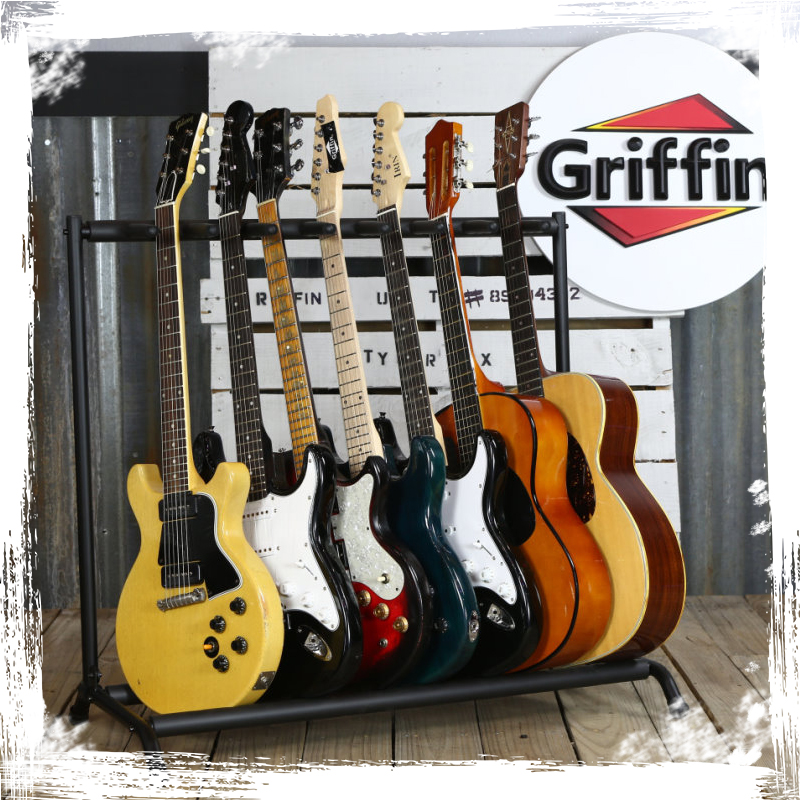
A multi-guitar stand serves as a perfect storage solution for musicians who play several instruments. Guitar owners benefit from these stands because they can store multiple guitars in a single space using their construct. These stands feature multiple layers due to their space optimization design.
Features
-
The multiple slots on these stands can hold multiple guitars through their equipped arms and hooks.
-
The manufacturing material for multi-guitar stands generally consists of metal or sturdy plastic.
-
Protection from damage is achieved through padding that is present on multi-guitar stands as it is in other floor stands.
Pros
-
Multiple guitars can be stored within a minimal area since they are stacked together.
-
A well-organized setup along with easy access to tools remains a benefit of this equipment.
-
A collection of guitars together with other stringed instruments fits perfectly into these stands.
Cons
-
The compact arrangement of multi-guitar stands uses up a significant amount of floor area when placed together.
-
The cost of these stands becomes higher because designers included several guitars within a single unit along with their premium structure.
Here is a customer review from our client Keith Mbatha
More than I expected
this rack is very sturdy, maybe even too sturdy for my use. I wanted something I could travel with to show off my cigar box guitars. It folds and is perfect for that. If you had solid body guitars it would be more than solid. Well made . shipped quickly. great bargain.
Specialty Stands

The design of specialty stands matches up with specific guitar types including acoustic guitars alongside bass guitars and double-neck guitars. Extra support structures on these stands ensure proper protection for sensitive and heavy instruments.
Features
-
The customized stands serve particular guitar forms which prevents both tipping accidents and neck-related damage.
-
Specialty stands commonly include extra padding areas for body and neck regions to stop possible damage to the instrument.
Pros
-
The specialized support system works efficiently for all craft instruments that need non-standard dimensions.
-
Stand designs incorporate stability mechanisms which increase safety by several factors for instruments set in their position.
Cons
-
Multiple styles of guitars typically do not fit into these stands because they lack adaptability.
-
Specialty stands must be purchased at higher prices because their custom-made construction costs more to produce.
Floor Stands: Pros and Cons
Pros
-
The mobility of floor stands enables musicians to move their guitars effortlessly throughout all their gigs. Floor stands also provide absolute convenience because they allow you to transport your guitar between rooms or carry it to performance events.
-
Floor stands allow guitar players to access their instruments effortlessly since they rest at reachable distances. Fast access to your instrument will lead you to play more frequently because of your tendency to grasp instruments swiftly.
-
Most floor stands support a wide range of musical instruments, including guitars. Every guitarist who owns electric or acoustic instruments, bass guitars, or ukuleles can discover a suitable stand for their instrument.
-
The cost of floor stands remains modest since they offer affordable price tags. A multi-guitar stand will be less expensive than wall-mounted stands which costs more to buy and maintain.
Cons
-
Using floor-based guitar stands requires commitment to space since they occupy substantial floor area. Smaller apartment spaces together with studio units may present difficulties when it comes to utilizing these types of stands.
-
Several factors determine whether tripod and specialty stands succeed at remaining stable while A-frame stands tend to be less stable with heavy guitars. Floor stands with poor construction can become unstable which creates a risk of damaging your instrument.
-
Guitars installed on the floor remain exposed to risk because someone could accidentally knock them down. Any unexpected contact with a pet or child or a person passing by creates the danger of costly instrument damage.
Wall-Mounted Guitar Stands: Types and Features
The wall attachment of guitar stands serves multiple purposes as it preserves your space while making your instrument easily visible for display. Wall-mountable stands enable you to secure your guitar safely in place and beautify it like an artistic display. Wall-mounted guitar stands exist in different types which can be evaluated according to their features.
Horizontal Wall Hangers
Guitars mounted horizontally against walls use brackets or hooks which fasten the neck or body of the instrument. These stands are liked by artists who need easy guitar accessibility through their horizontal display option.
Features
-
Wall-mounted guitars are arranged in a horizontal position with their body resting against the wall and the neck pointing outward.
-
A combination of plastic or metal together with rubber pads is a standard feature in wall hangers for guitar protection.
-
A flat mount position makes this guitar style work efficiently with space while installed.
Pros
-
A horizontal mounting design provides excellent display capability because it allows you to present your guitar in a clean way.
-
Your guitar remains secure against falling because properly installed horizontal wall hangers provide excellent stability throughout its mounting position.
-
The mounting position allows guitar hangers to save space by not occupying any floor areas which creates space for other tools or decorations.
Cons
-
The process of installing horizontal hangers demands better technical skills compared to using a floor stand setup. Place the hanger on the wall studs to make sure it carries the guitar weight properly through the installed hardware.
-
These hangers are secure only with guitars that are not extremely heavy, as thick models will not stay as secure as lighter ones.
Vertical Wall Hangers
Vertical wall hangers support guitars in an upright position through attachment to their neck. Vertical wall hangers in music stores serve perfectly to display guitars through their rest on supportive padded arms in an upright position.
Features
-
The guitar neck rests inside padded arms of the hanger.
-
Vertical hangers feature adjustable arms which enable proper neck fitting for guitars of different sizes.
Pros
-
The vertical position of guitars makes them easily accessible as well as clearly visible because they hang in front of storage spaces.
-
The compactness combined with the security features of vertical wall hangers makes them an ideal solution for desk guitars that need non-sloping support.
Cons
-
Fragile guitars' necks might develop stress and damage when insufficient support systems are used.
-
The success of both horizontal hangers depends on correct installation because improper setup might result in safety incidents.
Specialty Wall Hangers
The market offers wall hangers that specifically support special guitars along with other musical instruments. Additional padding and support system construct the hangers to guarantee proper instrument safety.
Features
-
The custom design hangers specifically fit particular guitar types including bass guitars and double-neck guitars which deliver added security features.
-
Several hangers come equipped with extra protective padding to secure the instrument surface.
Pros:
-
Specialized hangers provide the ideal fit for consumers who possess uncommon musical instruments.
-
Specialty hangers use features that provide additional protection which safeguards sensitive instruments from damage.
Cons:
-
They provide a limited range of fitting options since this specific type of hanger cannot accommodate different guitar shapes.
-
Specialized guitar wall hangers cost customers more than ordinary wall hangers since this adds to their production expenses.
Wall-Mounted Stands: Pros and Cons
Pros
Wall-mounted stands preserve valuable floor space at all times so they work perfectly for rooms that have limited size or exist in apartments. Wall-hanging guitars, which serve as decorative pieces that personalize the room, can improve the aesthetics of your living space. Security improves when you place guitar stands on walls since proper installation into wall studs makes the instrument less vulnerable to knocking accidents.
Cons
The installation process of wall-mounted stands through wall drilling presents an inconvenience to individuals who lack experience with tools. After wall mounting your stand you will face difficulties when trying to relocate it since it requires new wall holes to reposition. Having wall-mounted guitar stands might become problematic because they restrict flexibility in scene rearrangements. Incorrect wall mount installation combined with improper hanger choice creates a situation in which the guitar can either drop or encounter damage to itself.
Here is a YouTube video about misconceptions regarding wall mount guitar stand !
Here’s is a comparison table for these guitar stands types !
|
Guitar Stand Type |
Features | Pros | Cons |
| A-Frame Stands | V-shaped design, lightweight, foam and rubber padding for protection, compact size. | Portable and lightweight, simple setup, budget-friendly, ideal for small spaces. | Limited stability for heavier guitars, not ideal for larger or irregularly shaped guitars. |
| Tripod Stands | Three-legged design, adjustable height, foam or rubber padding, supports heavier guitars. | Increased stability, adjustable height, versatile for different guitar sizes, suitable for acoustic, electric, and bass guitars. | Bulkier and less portable, more expensive than A-frame stands, requires more floor space. |
| Multi-Guitar Stands | Multiple slots for storing several guitars, sturdy metal or plastic construction, padded for protection. | Efficient space-saving, easy access to multiple guitars, well-organized setup. | Takes up more floor space, higher cost due to multiple instruments stored in one unit. |
| Specialty Stands | Custom designs for specific guitar types, extra support for heavy or delicate instruments, padding for protection. | Enhanced stability and safety for sensitive or heavy instruments, tailored for non-standard guitars. | Not versatile for different guitar shapes, expensive due to custom design and construction. |
| Horizontal Wall Hangers | Mounts guitars horizontally on the wall, uses brackets or hooks for neck or body support, flat position. | Space-saving, great for display, secure and stable, avoids floor space usage. | Requires technical installation, not suitable for very heavy guitars, installation requires wall studs. |
| Vertical Wall Hangers | Supports guitars upright by the neck, adjustable padded arms for different neck sizes. | Compact, great for display and easy access, space-saving. | Risk of neck stress on fragile guitars, installation must be done carefully for safety. |
| Specialty Wall Hangers | Designed for specific guitar types, includes extra padding and support features. | Ideal for specialized instruments, extra protection for sensitive guitars. | Limited compatibility with other guitar types, more expensive due to custom design. |
Choosing the Right Stand: Factors to Consider
Space Availability
The choice between wall and floor guitar stands depends on the quantity of floor space and your preferred aesthetic because wall-mounted stands create a neater decorative environment. These stands work best for tight areas and simultaneously improve your room's aesthetic value. You should get a floor stand when you need quick access to your instrument because floor space ensures this possibility.
Number of Guitars
A large collection of guitars should be stored on high-capacity multi-guitar floor stands. Multi-guitar wall-mounted stands exist as well but need additional planning when installing them. Select either a wall-mounted stand or floor stand based on the number of guitars you wish to store while taking into account what setup will work best in your situation.
Guitar Type and Weight
Your guitar's type together with weight needs to match the selection of your stand design. Floor stands for heavy guitars like basses or double-neck guitars need to be made of sturdy materials such as tripods and specialized floor supports. You should select a heavy-duty wall-mounted guitar hanger that was made for this purpose when planning to display your heavier guitar.
Playing Frequency
A floor stand delivers the best convenience to regular players since it lets them reach their guitar quickly. Wall-mounted guitar stands deliver great looks in display areas yet regular players need to think twice about grabbing their instrument quickly from such stands.
Portability Needs
Traveling musicians benefit from floor stands since these stands let them move their equipment quickly. Training your guitar on walls through stands proves difficult since you must permanently install them for mounting.
Aesthetic Preferences
The preference for wall-mounted stands matches with people who view guitars as decorative objects but floor stands provide discreet storage options when users seek unobtrusive solutions.
Budget
A-frame floor standing models represent the least expensive instrument stands in the market. The cost of wall-mounted stands rises constantly as you need more products to hang various guitars.
Installation Tips for Wall-Mounted Stands
The process of wall-mounting your guitar for storage works as a dependable solution that uses limited space yet demands specialized attention. The right installation process secures your guitar against damage as it hangs on the wall surface. Your guitar faces a danger of falling if you lack suitable precautions since it might cause both wall and guitar damage. The following segment details advanced instructions to execute safe wall-mounted stand installations:
Finding Wall Studs
To begin the installation process of wall-mounted guitar stands you must detect the wall studs first. Structural wall studs which exist behind drywall serve as the main support elements for the drywall structure. A guitar requires more support than drywall provides since the stand requires attachment to wall studs to stop it from detaching from the wall during its lifespan. You can use a stud finder to detect wall stud locations behind your wall because these devices work as handheld devices that reveal stud positions. You can locate wall studs by performing gentle wall tapping tests using your knuckles.
Using Appropriate Hardware
After finding your studs and marking the desired mounting places you should select appropriate hardware to hang your guitar stand. Using the correct hardware tools remains crucial because they determine the stand's capability to handle the weight of your guitar. The manufacturer instructions specify which screws and bolts along with anchors should be used in each situation.Heavy-duty screws are specifically suitable when fixing a guitar holder to studs.
Measuring and Positioning
Excellent measurement process along with strategic positioning serves as vital elements to display your guitar at its proper standing height and specific angle. Determine your desired guitar hanging position before starting any hole drilling process. The selection of display areas needs to serve both an attractive purpose and provide practical functions. The optimal position for your guitar should maintain a placement that conforms with eye height or slightly above it because this alignment means easy access while remaining visually pleasing.
Protecting the Guitar Neck
Mounting your guitar to a wall requires special attention to the neck protection because it remains one of the main concerns. Hanging guitars in wrong positions exposes their necks to high risk of warping or eventual destruction. Prior to utilizing wall-mounted stands verify that the accessories offer sufficient neck support features. Most wall-mounted stands have rubberized arms with padding to keep the neck steady. The neck-support features differ between different wall stands on the market. The absence of appropriate neck support from your stand requires you to take two steps, use additional padding or opt for a stand designed for neck support.
Leveling
A complete wall-mounted stand stability depends on performing a proper levelling procedure. An improperly installed stand will produce an imbalanced position for the guitar which might result in equipment damage while making it more susceptible to drop incidents. It is necessary to check levels when guitars rest horizontally because improper settings may create instability. Make use of a spirit level to confirm that the stand achieves the correct mounting angle.
Maintain the level on the stand and readjust the screws or brackets until the level points to total straightness. Check that all your mounted guitars remain parallel to each other because it will ensure their secure installation without any unwanted damage.
Why Choose GeekStands for Guitar Stands
Whether you're rocking on stage or practicing at home, choosing between a floor or wall-mounted guitar stand is crucial for both convenience and safety. Floor stands offer portability, allowing you to easily move your guitar within reach, while wall-mounted stands create a sleek, space-saving display, perfect for keeping your instruments safe and accessible.
At geekstands, we prioritize your instrument’s protection, offering stands designed for stability, style, and security. With premium materials and thoughtful engineering, you can trust our stands to keep your guitar safe, looking great, and ready for your next performance, wherever it takes you.
Share:
 Michael Jelliff