
You have no items in your shopping cart.


MEET the Founders & Team
Mike and Joylynn Jelliff, the founders of GeekStands.com as well as musicians. They are owners and users of the products GeekStands.com sells.
Learn about us!

30
Jun

Using the right kind of microphone is one way to create high-quality sound. An essential tool for setting and supporting the microphone is a microphone stand. You can easily position the microphone while holding it with the microphone boom stand, allowing you to get the greatest recording results.
The wide variety of types available makes it challenging to assess quality when selecting a boom stand. Space-saving stands not only keep you mobile, but they also hold your microphone. It is straightforward to set up and the well-designed stand holds the microphone in place whether you are recording or performing.
The right boom stand also keeps the microphone from making extra noise when being handled or adjusted.
This blog aims to focus on major five essential features to look for before buying a microphone boom stand. Furthermore, it will also shed light on different types of microphone boom stands that are mostly available in the market, focusing on their individual features.
Essential Features to Look for in a Microphone Boom Stand
Adjustability
The ability to be adjusted is one of the most crucial aspects of any microphone boom stand. The microphone should be easy to place precisely where you need it, whether using the stand for podcasting, live performances, or recording. The height, angle, and reach of a well-designed boom stand are all adjustable, so you can locate the best spot to record sound.
Thanks to the stand's height-adjustable main pole, the microphone can be raised or lowered as necessary. This is particularly crucial if you alternate between various recording postures, like sitting and standing.
The boom arm itself has to be able to expand, withdraw, and tilt at different points. This permits you to position the microphone closer to or more distant absent from the source of sound, depending on your needs. Hunt for boom arms that can bolt safely in put after alteration to maintain a strategic distance from slippage.
Ensure that the adjustment methods are user-friendly and do not demand excessive effort. Ergonomic knobs or quick-lock mechanisms on stands will facilitate quick adjustments.
A highly adjustable stand guarantees adaptability, enabling you to use various microphones and configurations in broadcast, live stage, or home studio settings.
To give a variety of microphone placement angles, a fully adjustable boom arm should rotate and tilt. This feature helps isolate the sound source for clearer audio and is particularly helpful when recording voices or instruments from different angles.
The angle locking mechanism, which enables you to lock the boom arm in place at a particular angle, is another essential component of adjustability. This function guarantees that the microphone will not move or shift while in use once you have set it to the appropriate angle.
Stability and Quality of Construction
When selecting a boom stand, stability is essential because a shaky or badly constructed stand may produce undesired noise or even harm the microphone. The stand's materials and construction greatly affect how sturdy it will be when in use.
Even when completely extended, the stand's base should be made to be stable and not tip or move. Because they offer a sturdy foundation and distribute weight uniformly, tripod-style bases are popular. Also, heavier bases can increase stability, particularly when long boom arms or heavier microphones are being used.
Seek out stands composed of sturdy materials like premium aluminum or steel. Because of their stability and durability, these materials guarantee that the stand will not bend or break under normal use. Plastic components should be kept to a minimum because they can break or wear out over time.
A few boom stands include counterweights attached to the boom arm's end. In particular, this can help balance the microphone's weight and keep the stand from tipping over when it is extended.
In addition to protecting your equipment, a sturdy, stable stand enhances sound quality by removing undesired movement or vibrations.
- Anti-Vibration Features
Some premium boom stands feature shock-absorbing designs or rubberized feet that help reduce vibrations from the floor, providing clearer sound capture without interference.
- Rust and Corrosion Resistance
Boom stands made from materials treated with anti-corrosion coatings or finishes, such as powder coating, are more resistant to rust and environmental wear. This is especially important for outdoor performances or high-humidity environments, where moisture can cause metal components to degrade.
Weight and Portability
Portability and weight are important factors to take into account if you are a musician or audio professional who travels regularly. A stand that is both portable and still has the solidity and longevity needed for professional use is what you will need.
It is simpler to transport a lightweight stand to record sessions, performances, and other events. But watch out for too-light stands, as they might not provide enough support for larger microphones. Aluminum stands frequently offer a decent trade-off between durability and weight.
Aluminum boom stands are lightweight and quite strong, making them ideal for transportation. Because aluminum is far lighter than steel, it is perfect for people who move their equipment around a lot. However, aluminum stands might not be as stable or durable when subjected to high loads, so make careful to measure the potential stability loss against the weight trade-off.
- Balance Between Weight and Stability
A lightweight stand may be less stable even though it is easier to maneuver, particularly when using heavy microphones or boom arms that are completely extended. To ensure that a stand can support bigger microphones without toppling over, choose stands that balance portability and solidity.
Here is a customer testimonial about our microphone boom stand by 15821ned
Perfect!
I have a massive and heavy ribbon mic and this stand really handles it!!!
For portability, a boom stand that folds or collapses into a small size is perfect. For podcasters who record in multiple locations or musicians who are on tour, this capability is extremely crucial. Seek out stands.
If you need to protect the stand while being transported, some stands come with carrying cases, which might be a great extra. Additionally, cases keep everything together, decreasing the possibility of misplacing mic clips or boom arm knobs.
A desk-mounted stand or a compact boom arm is more space-efficient and portable for desktop or home studio installations. Without compromising much on adaptability, these smaller boom platforms are simpler to transport and erect in various locations.
Some boom stands have lever locks or quick-release clamps that speed up setup and disassembly. In dynamic settings where you might need to move or modify your equipment regularly, like live sound sets or field recording, this function is quite helpful.
Sometimes boom stands are made of modular parts that are easy to disassemble and reassemble. This feature facilitates portability while also making customization simple according to your own requirements.
Quality does not have to be sacrificed for portability. The best microphone boom stands balanced being compact enough to be carried around and robust enough for steady, professional use.
Compatibility with Microphones and Accessories
You can use a versatile boom stand in a variety of audio setups by making it compatible with a large number of microphones and accessories.
The majority of boom stands use standard 5/8" threading, which works with the majority of shock mounts, microphone clips, and other accessories. However, it’s always a good idea to double-check the threading size to confirm that your existing equipment will function with the stand.
The boom stand should be able to accommodate a range of microphone weights and sizes if you use a variety of them, including dynamic, condenser, and ribbon microphones. Lighter microphones can be used with smaller stands, while heavier microphones might need a stand with additional stability or a counterweight.
Some boom stands have extra mounts or attachments for tablet stands, phone holders, or pop filters. For podcasting, live streaming, or multitasking during a recording session, these can be helpful.
More versatility in your audio setup is possible with a stand that works with a variety of microphones and accessories, which also makes switching between various recording or performance settings simpler.
Certain boom stands have attachment points for windscreens or pop filters, which are essential for recording vocals. Make sure there is sufficient mounting flexibility on the stand to accommodate more gear without affecting the positioning of the microphone.
- Cable Management Systems
More sophisticated boom stands may come with integrated cable management features, such as channels or clamps along the boom arm for tidy microphone cable routing. This lessens the chance of stumbling during live performances, avoids wire tangling, and helps clear clutter.
Make sure the boom stand is compatible with the shock mount if you intend to utilize it for vibration isolation. Certain platforms have features like isolation points on the arms or bases that further lessen handling noise and vibrations, which are specifically designed to improve the effectiveness of shock mounts.
Price and Value for Money
Finally, it's important to consider your budget and value for money when choosing a microphone stand. While it may be tempting to go for the cheapest option, remember that it will cost you more in the long run because of many replacements or repairs.
Better materials, more stability, and extra features like counterweights or easy-adjust mechanisms are sometimes found in higher-end stands. Purchasing a higher-quality stand now will save you time and trouble later on if you are using it professionally.
There are several reasonably priced boom stands that are nonetheless rather well-built and adjustable. While these may lack some of the advanced features of higher-end stands, they are often perfectly suitable for casual or home studio use. These stands are excellent places for beginners to start because they usually concentrate on fundamental stability and functioning.
Here is a customer testimonial about our microphone boom stand from Gayatri Chandra
Solid Budget stand
Griffin is pretty good at packing what you need into a nice package. This stand is a good medium sized thing, has good extension, and is really light. It doesn't hold perfectly, you can get the boom arm to slip pretty easily if you have a heavy mic fully extended. Apart from that it's a reasonably sturdy stand. It's a budget stand, it makes sense, still worthy of the 5 star rating despite drawbacks.
Seek out stands that provide a decent mix of features and cost. Compared to a luxury stand with extra features you might not need, a mid-range stand with great adjustability, build quality, and compatibility might be a wiser purchase.
Take into account if the stand has a warranty or customer service. Reputable companies frequently provide warranties, which can reassure you that your stand is shielded from manufacturing flaws.
In the end, the ideal microphone boom stand should provide the features you require without breaking the bank by striking a fair balance between quality and price.
Think about investing in a stand that can accommodate additional gear or accessories if you anticipate growing your recording or performance requirements in the future. You may avoid having to buy several stands as your arrangement changes by investing a little extra now on a high-quality, adaptable stand.
Compared to less expensive models, high-end microphone boom stands typically retain their worth better. A high-end, well-maintained stand might sell for more money on the secondhand market if you decide to update or sell your equipment.
Types of Microphone Boom Stands
Prior to delving into the essential characteristics, it is crucial to acknowledge that microphone boom stands are available in a variety of shapes and designs, each of which is appropriate for a distinct use. The following are the most typical kinds of microphone boom stands you will come across:
Standard Boom Stand

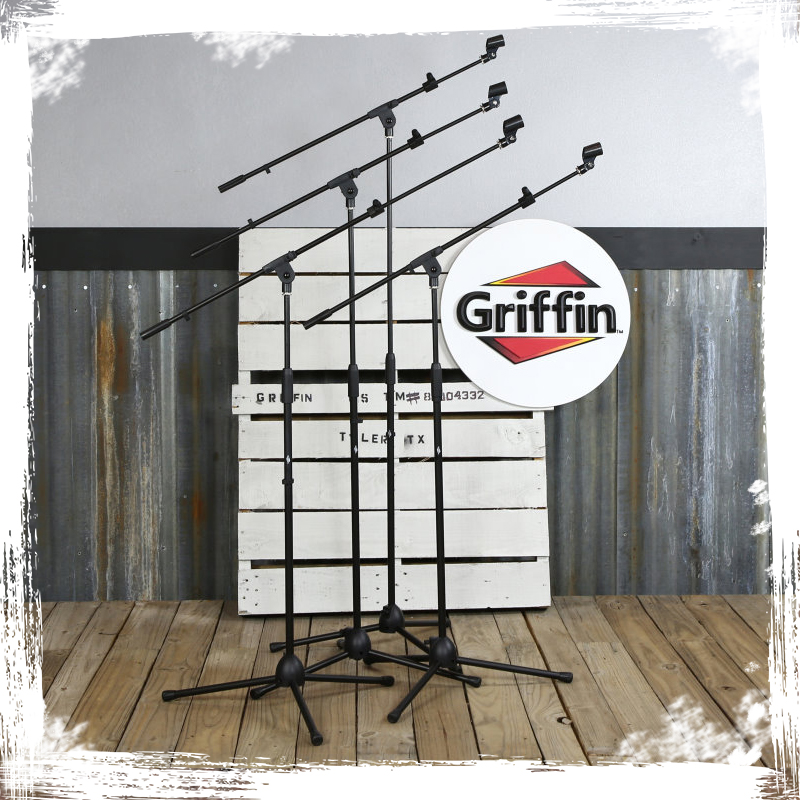
The most fundamental and adaptable kind of boom stand is the standard boom stand. Its components include a tripod base and an extendable, inclined boom arm. For a variety of applications, including podcast setups, live performances, and recording studios, standard boom stands are perfect.
Overhead Boom Stand
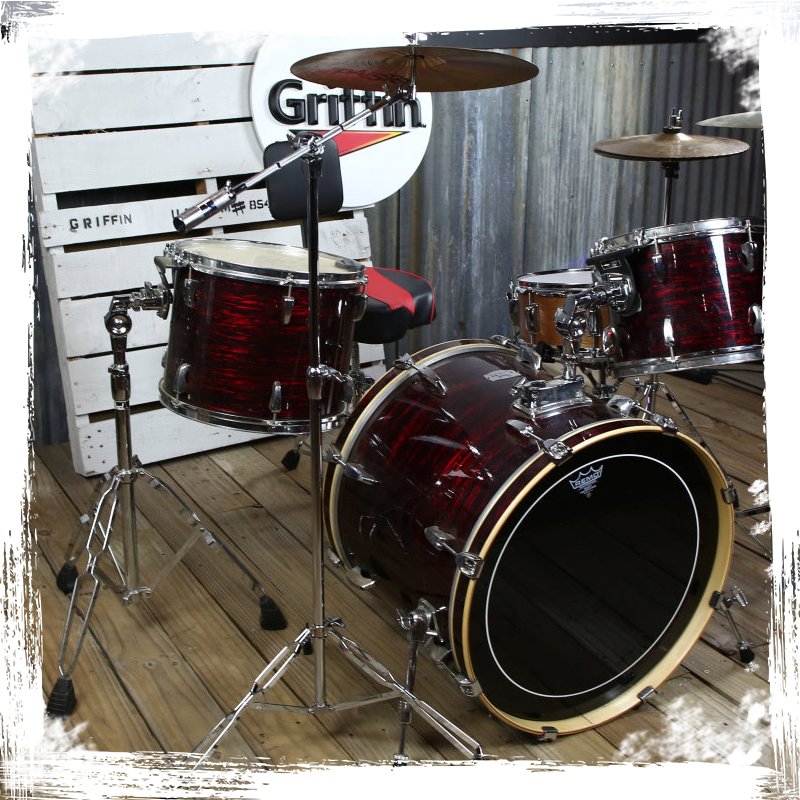
Larger and more durable, overhead boom supports are made for more specialized applications. When placing overhead microphones for recordings of drum kits or choirs, these stands are frequently utilized. They provide more height and reach, so you can put microphones over a source of sound without obstructing it.
Desk Boom Arm

These little stands that fasten to a desk or table are commonly used for voice-over, streaming, and podcasting. Users may move the microphone without having to stand up or reposition equipment thanks to these highly adjustable stands, which are perfect for close-range recording.
Low-Profile Boom Stand

These shorter, more portable boom stands are ideal for close-miking devices such as kick drums, guitar amplifiers, and even sitting speakers. When a lower microphone position is required or in confined spaces, these stands come in handy.
Depending on your recording or performance setting, each kind of boom stand has special advantages. After learning about the primary varieties, let us examine the essential characteristics that will enable you to select the ideal microphone boom stand for your requirements.
Heavy-Duty Studio Boom Stand
The heavy-duty studio boom stand is made for professional settings where support and stability are essential, especially when employing ribbon or big condenser mics. Because these stands are made of steel and other reinforced materials, they are capable of supporting the weight of expensive, sensitive microphones.
For accurate alignment, heavy-duty stands frequently have longer boom arms and counterweights. Despite being less portable, they are essential in professional recording studios due to their dependability.
Telescoping Boom Stand

Greater positioning versatility is provided by a telescoping boom stand's extended boom arm, which can be adjusted to different lengths.
This is particularly helpful in studio settings and live performances when the distance between the microphone and the sound source may fluctuate a lot. It is a flexible option for both engineers and musicians because of the telescoping mechanism, which enables fast modifications without requiring the entire stand to be moved.
Folding Base Boom Stand
The portability of the folding base boom stand was considered throughout its design. For musicians or sound professionals on the go, its folding legs or base make it simple to set up and transport.
These stands, which are frequently utilized in live performances or transportable recording setups, maintain a respectable level of stability despite their portability. These stands are common for field recordings and traveling artists due to their simplicity in collapsing and assembling.
Suspended Boom Arm (Ceiling-Mounted)
The microphone can hang or "float" above the recording area thanks to a specialized boom stand called a suspended boom arm that mounts to a wall or ceiling. Professional broadcast studios, podcast settings, and sound stages with constrained floor space frequently employ this kind of stand.
It makes the workspace cleaner and less cluttered by doing away with the requirement for floor stands. These stands are perfect when setting up a permanent, high-quality arrangement that is more vital than mobility.
Dual Microphone Boom Stand
Two microphones can be held simultaneously on a single platform thanks to the dual microphone boom stand. Stereo recording, interviews, and other situations where several sound sources need to be recorded simultaneously can benefit from this functionality.
It is frequently used in live performances, studio recording, and broadcasting where space and efficiency are top concerns. This stand is adaptable for a variety of uses because it can accommodate two microphones at various angles.
Counterweighted Boom Stand
A counterweighted boom stand balances heavier microphones by adding a weight system to the back of the boom arm. This counterweight keeps the boom arm from sagging under the weight of big microphones or the stand from toppling over. When recording with bulky or costly microphones, this function is essential since it keeps the microphone firmly in place without sacrificing sound quality.
When it comes to your audio setup, whether you are broadcasting from home, performing live, or recording in a studio, picking the correct microphone boom stand is crucial. By concentrating on the five key characteristics—price, compatibility, portability, stability, and adjustability—you can make sure that the stand you choose fits your unique requirements and improves your audio experience in general.
Here is a comparison table for these different types of microphone boom stands.
|
Microphone Boom Stand |
Best For | Height Adjustment | Stability | Portability | Special Features |
| Standard Boom Stand | General use, live performances | Adjustable | Good stability | Moderate | Versatile design |
| Overhead Boom Stand | Overhead miking in studios | Adjustable | Excellent stability | Low (bulky) | Ideal for capturing overhead sound |
| Desk Boom Arm | Home studio, podcasting | Fixed height | Good stability | High (compact) | Flexible positioning |
| Close-Range Recording Stand | Vocals, instruments in studio | Adjustable | Good stability | Moderate | Designed for close miking |
| Low-Profile Boom Stand | Tight spaces, low ceilings | Limited adjustment | Very stable | Moderate | Space-saving design |
| Heavy-Duty Studio Boom Stand | Professional studio use | Adjustable | Very high stability | Low (bulky) | Supports heavy microphones |
| Telescoping Boom Stand | Versatile applications | Telescoping | Good stability | Moderate | Extended reach |
| Folding Base Boom Stand | Mobile setups | Adjustable | Moderate stability | High (foldable) | Easy transport |
| Suspended Boom Arm (Ceiling-Mounted) | Studio space-saving | Fixed height | Excellent stability | Low (permanent installation) | Clears floor space |
| Dual Microphone Boom Stand | Recording multiple sources | Adjustable | Good stability | Moderate | Supports two mics |
| Counterweighted Boom Stand | Studio, live events | Adjustable | Very stable | Moderate | Reduces tipping risk |
Here is a youtube about best microphone boom stands for home studio
Why Choose GeekStands for Microphone Boom Stands
At Geekstand, we focus on providing microphone boom stands with sturdy construction from durable materials. The stands are made flexible and adjustable in design which enhances the portability of the stands. All these features at a low affordable price make us a go-to option for users.
We use high-quality materials in the making of the microphone boom stands. The high-quality materials help in making the stand stand the test of time and vigorous use.And even with rough use the stand lasts for long.
With that, the usability features like the adjustability and the flexibility in the stands make the stands easier to operate for more users as they can adjust and make the stand optimal for their usage.
The stand is adjustability and thus it enhances their portability making it easier to transport the
Stands more so the stands are lightweight so portability becomes easier.
All these features at a low and affordable price range make the clients stick to geek stands for microphone boom stands.
In case, you want a microphone boom stand then you should also make the right choice as others and go grab one from Geekstands!
Share:
 Michael Jelliff